Device Interface Customizations Driving Wheel Game Accessibility in Expanding Multi-State Mobile Networks
Written by Jakob Becker · Aug 26, 2026
Device Interface Customizations Driving Wheel Game Accessibility in Expanding Multi-State Mobile Networks
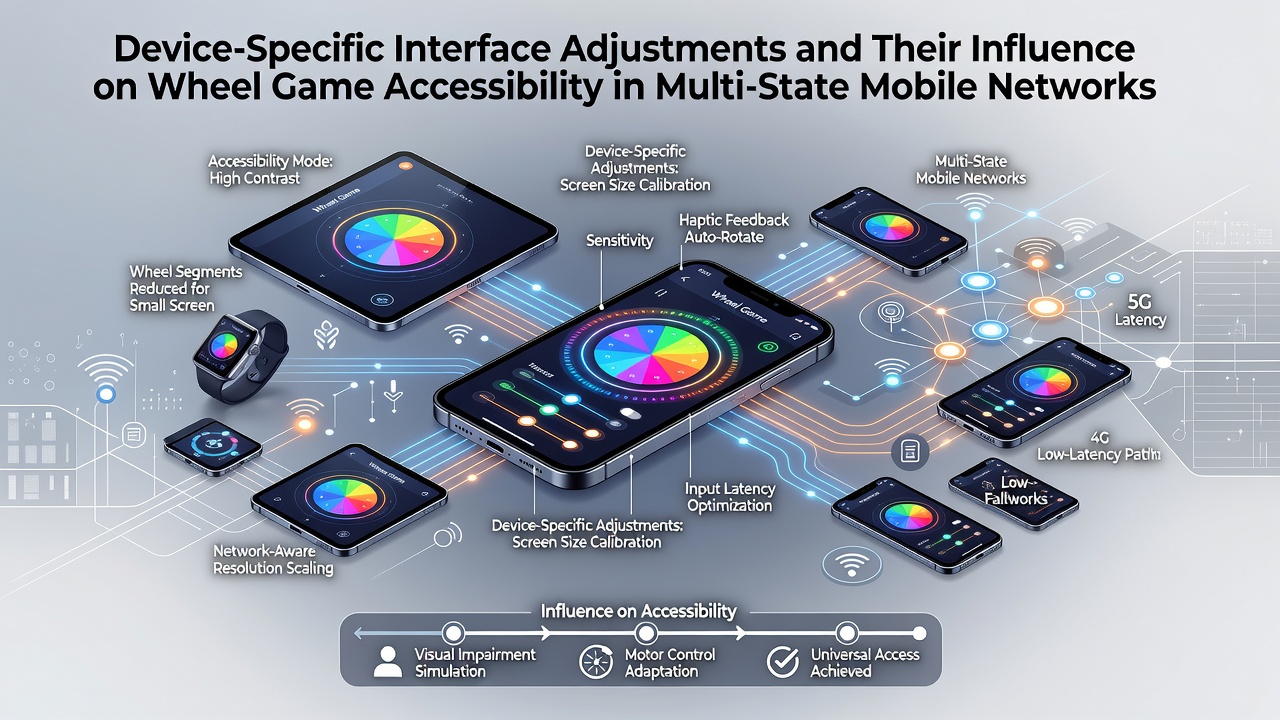
Device-specific interface adjustments have become central to wheel game operations as mobile networks span multiple states with distinct regulatory frameworks, and these modifications address variations in hardware capabilities along with software environments to maintain consistent player access. Research indicates that screen dimensions, processor speeds, and operating system versions require tailored responses because wheel mechanics depend on precise timing and visual feedback that shift across devices, while data from multi-state deployments shows accessibility features such as adjustable contrast and gesture mapping improve reach for users in regulated markets.
Technical Foundations of Device Adaptations
Developers implement responsive layouts that scale wheel graphics and betting panels according to device resolution because iOS and Android platforms handle touch input differently, and synchronization protocols adjust latency to keep spins aligned with server outcomes across state lines. Observers note that tablets often receive expanded control zones compared to smartphones since larger displays allow finer wheel manipulations without crowding interface elements, whereas studies on mobile gaming networks reveal that battery optimization routines activate during extended sessions to prevent performance drops that could affect game fairness in real time.
Regulatory Influences Across State Boundaries
Multi-state mobile networks must comply with varying accessibility mandates because each jurisdiction sets its own standards for user interface compliance, and adjustments for screen reader compatibility or voice command integration become mandatory where statutes reference digital equity guidelines. According to information from the Nevada Gaming Control Board, operators track device logs to verify that interface changes meet audit requirements, while figures from August 2026 indicate increased testing cycles for cross-border sessions as more states integrate their frameworks. Those who monitor network traffic report that geofencing layers combine with device detection to route players toward compliant versions of the wheel interface, and this process maintains continuity even when users switch between state-approved carriers.
Accessibility Enhancements Through Customization
Interface tweaks target motor skill variations and visual needs because wheel games involve rapid selections that benefit from haptic feedback adjustments on certain handsets, and researchers at the University of Waterloo documented how such modifications reduce error rates in multi-state trials conducted earlier this year. Data shows that color inversion modes and scalable text overlays activate automatically on devices with known accessibility APIs, whereas gesture sensitivity sliders allow players to calibrate wheel spins to their preferences without altering core game logic. Experts have observed that these changes support broader participation because older smartphones receive legacy mode support that preserves essential functions even when newer models dominate the market share.
Network Performance and Device Interactions
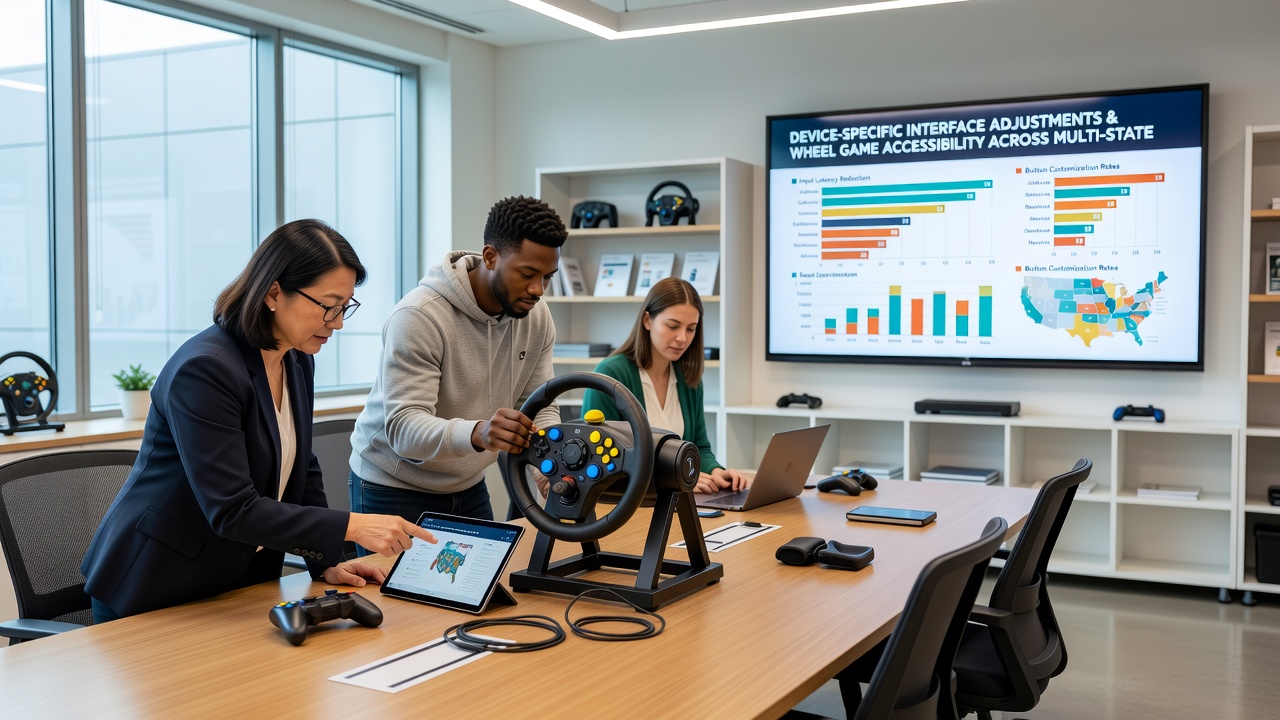
Latency compensation algorithms respond to device processing power since weaker hardware requires pre-loading of wheel assets to sustain smooth animations, and multi-state operators deploy edge servers that detect device profiles before delivering optimized streams. The reality is that signal fluctuations in rural coverage areas prompt fallback interfaces with simplified graphics, while urban networks leverage higher bandwidth to enable detailed particle effects on the wheel without compromising accessibility layers. Reports indicate that August 2026 updates to synchronization standards incorporated device-specific buffers because cross-border data flows exposed timing mismatches that affected spin verification processes.
Case Examples from Deployed Systems
One operator managing networks in three states adjusted its wheel interface for foldable phones by redistributing betting options across multiple panels, and this change followed device analytics that flagged higher abandonment rates on those models. Another project integrated regional language packs triggered by device locale settings, because regulatory language requirements differ and users in bilingual zones expect interface text to match their selected state rules. Evidence suggests that such targeted modifications correlate with sustained session lengths across device categories, whereas uniform interfaces without adjustments showed measurable drop-offs in states with stricter mobile standards.
Future Directions in Adaptive Design
Industry groups track emerging device categories because foldables and wearables introduce new variables for wheel rendering, and ongoing trials explore AI-driven interface scaling that predicts user needs based on prior device interactions. Data from academic sources highlights how these evolutions align with expanding multi-state legalization patterns, and continued refinement of accessibility protocols remains tied to hardware release cycles that influence network testing schedules.
Conclusion
Device-specific interface adjustments continue to shape wheel game accessibility by addressing hardware diversity and regulatory fragmentation across mobile networks, with evidence from operational data confirming that tailored features support consistent engagement in multi-state environments. As networks evolve through 2026 and beyond, these modifications remain essential for maintaining equitable access while meeting technical and compliance demands.