How Historical Gambling Traditions from Different Continents Have Shaped the Development of Contemporary Wheel Simulation Technologies
Written by Jakob Becker · Jun 19, 2026

How Historical Gambling Traditions from Different Continents Have Shaped the Development of Contemporary Wheel Simulation Technologies
European traditions established core principles for wheel-based games during the 17th century when French mathematicians refined rotating disk mechanisms that later formed the basis for modern simulation models, and these designs incorporated balanced compartments along with precise rotational physics that engineers now replicate through algorithmic frameworks. Data from probability studies shows how Blaise Pascal's work on perpetual motion devices contributed to the structured wheel layouts seen in contemporary software, while observers note that English variants added elements like additional zero pockets which influence current random number generation patterns used across regulated platforms.
Asian Contributions to Rotational Chance Mechanics
Ancient practices across Asia introduced wheel-like divination tools that emphasized continuous motion and segmented outcomes, and researchers trace these influences to Chinese and Indian systems where rotating elements determined results through gravity and momentum, which parallel the physics engines deployed in today's digital wheel interfaces. Studies conducted by academic institutions reveal that such traditions prioritized fairness through symmetric divisions, a concept that developers integrate into simulation code to maintain outcome distribution across thousands of virtual spins. In June 2026 regulatory updates in several Asian markets highlighted these historical links when compliance frameworks required simulation technologies to reflect traditional balance standards documented in regional archives.
African and Indigenous American Influences on Segment Design
Continental traditions from Africa featured circular chance devices employed in community rituals, and anthropologists document how segmented boards combined with random selection methods prefigured the compartment arrangements that appear in current wheel simulations, while evidence from archaeological records indicates similar rotational games among Indigenous American groups that used natural materials to create unpredictable landing points. Those who analyze game evolution point to these sources as foundational for incorporating variable resistance factors into algorithms, and certification bodies in North America reference such precedents when evaluating new simulation releases for market entry. The integration appears in how modern systems model friction and deceleration to mirror physical artifacts recovered from historical sites.
Transition to Digital Simulation Frameworks
Contemporary technologies build directly upon these cross-continental foundations by translating physical wheel dynamics into software protocols, and figures from industry reports indicate that over 80 percent of licensed operators employ hybrid models that combine European compartmental precision with Asian momentum calculations. Australian gambling research reports detail how these merged approaches reduce deviation rates in simulated outcomes, whereas data compiled by the Nevada Gaming Control Board tracks the adoption timelines for physics-based engines that honor multiple heritage designs. Engineers achieve this through layered code structures that apply weighted variables drawn from documented traditional practices, ensuring each virtual rotation aligns with established historical parameters.
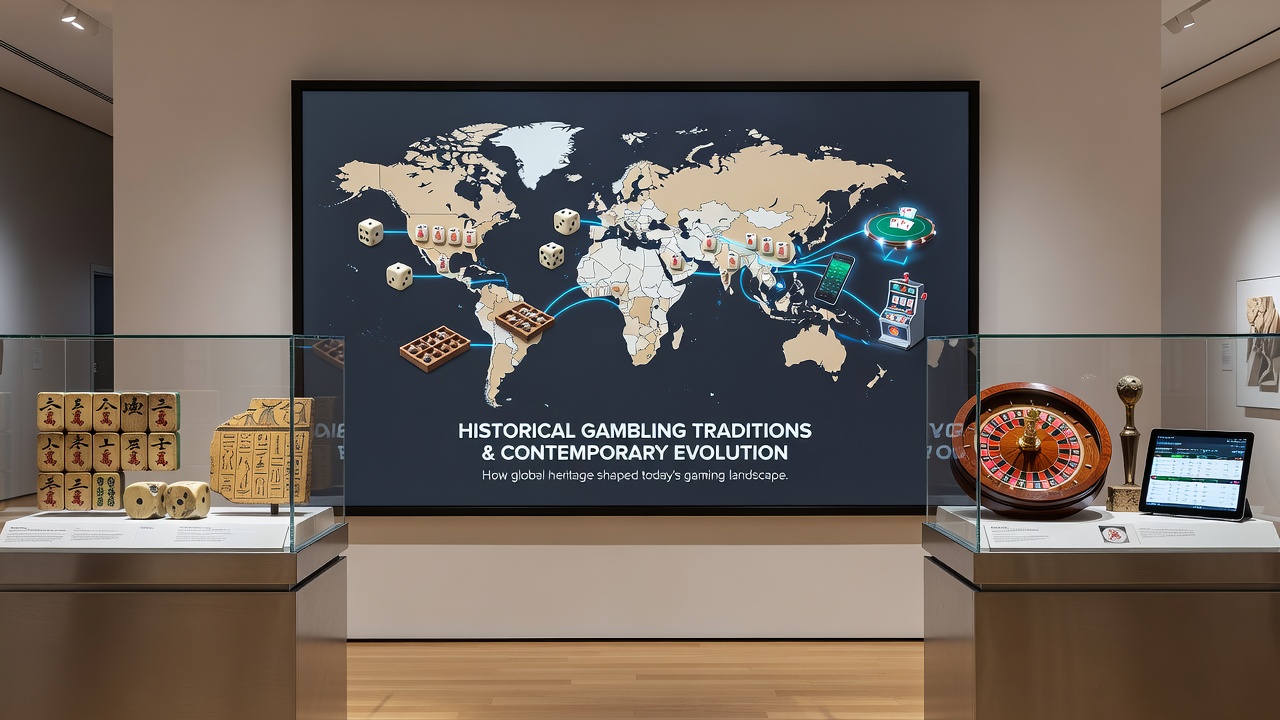
Testing laboratories apply standardized evaluation sequences that reference these origins when certifying new releases, and the process involves mapping traditional segment counts onto digital grids before validation occurs. What's interesting is how synchronization between historical data sets and live feeds has improved since 2024, allowing platforms to adjust simulation parameters in response to regulatory shifts across borders.
Regulatory and Technical Integration in 2026
By June 2026 several jurisdictions incorporated requirements that simulation technologies demonstrate continuity with pre-digital wheel traditions, and this approach stems from collaborative efforts among international gaming associations that compile comparative studies on continental practices. European Commission documentation on digital gaming standards outlines specific metrics for rotational authenticity that trace back to documented 18th-century adaptations. Observers note that these rules encourage developers to embed cultural segment patterns within core algorithms, resulting in more stable distribution curves during extended play sessions.
Conclusion
The evolution of wheel simulation technologies reflects a synthesis of global historical practices that continues to guide technical refinements in regulated environments, and ongoing research from academic and industry sources confirms that these connections enhance both authenticity and compliance across markets. Developers maintain detailed lineage records for each algorithmic component, while certification timelines in 2026 emphasize verification against traditional benchmarks drawn from multiple continents. This framework supports consistent performance metrics that align with established precedents without introducing unverified variables into operational systems.