How Time Zone Differences Affect Live Roulette Session Peaks for Global Mobile Players
Written by Lars Fischer · May 29, 2026
How Time Zone Differences Affect Live Roulette Session Peaks for Global Mobile Players
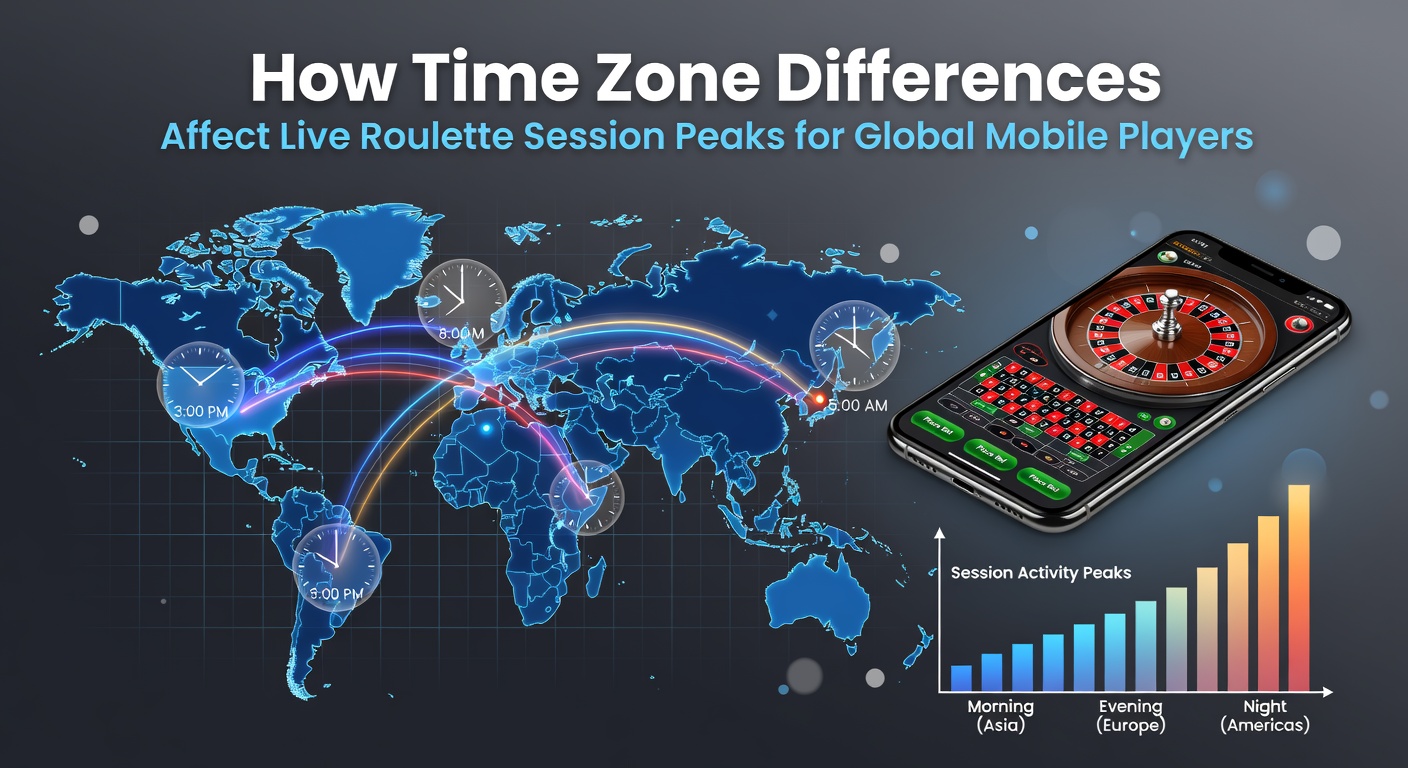
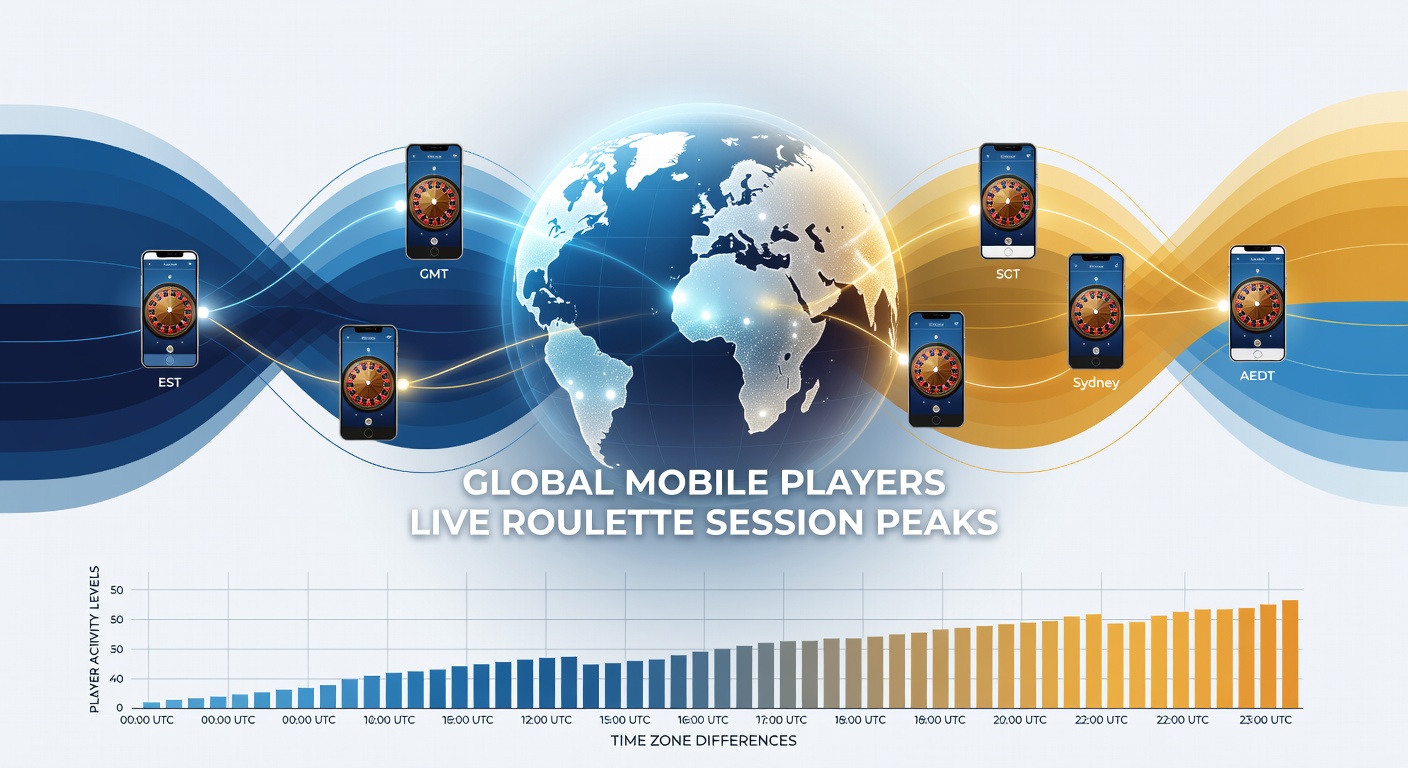
Live roulette sessions on mobile platforms follow distinct patterns shaped by the time zones where players reside rather than the location of the dealer studio itself, and operators track these shifts through server logs that record login times converted to coordinated universal time. Players in Asia often connect during their local evening hours which translate to early morning or late night in European or American markets, creating staggered waves of activity that peak when multiple regions overlap in their leisure windows. Data from regulated markets shows mobile devices account for the majority of live dealer sessions because they allow seamless access without requiring players to stay near desktop setups, yet the underlying rhythm still aligns with personal schedules adjusted for time differences.
Global Player Distribution and Session Timing
Operators maintain studios that run continuously yet see measurable surges when key markets enter their prime evening periods, and researchers have mapped these through aggregated anonymized data collected across multiple jurisdictions. For instance participants in Australia experience peak engagement between 7 PM and 11 PM local time while those in the United States align with similar local blocks that fall several hours earlier on the studio clock. European players contribute another layer during their own after-work hours, and the result is a rolling series of activity spikes rather than a single universal rush. Mobile connectivity amplifies this effect because users switch between Wi-Fi and cellular networks without interrupting sessions, allowing them to join from transit or during travel across zones.
Mobile Technology and Cross-Zone Access
Smartphone applications handle time zone conversions automatically by displaying both local clock times and studio schedules, which reduces confusion for participants who join tables hosted in distant regions. Low-latency streaming protocols keep the wheel and dealer visible in real time regardless of the distance between player and studio, and network providers have expanded coverage in emerging markets that now contribute growing shares of mobile traffic. Observers note that battery optimization features and background data controls influence how long sessions last once a player logs in during an off-peak window for their zone. In May 2026 several carriers introduced enhanced 5G slicing options that prioritize gaming packets, and early metrics indicate these upgrades support longer continuous play periods even when users cross time boundaries during travel.
Studies from academic institutions have examined how daylight saving transitions temporarily shift session peaks by one hour in affected regions, forcing operators to adjust staffing and table availability accordingly. The adjustments occur because player behavior remains anchored to personal routines such as dinner times or family obligations rather than abstract UTC references. Those who analyzed transaction volumes across platforms found that mobile users from Southeast Asia frequently overlap with early European activity, producing brief but intense combined peaks that strain certain bandwidth corridors when multiple high-definition streams run simultaneously.
Regulatory Data and Industry Reporting
Figures released by the Nevada Gaming Control Board document the steady rise in interstate and international mobile participation, while comparable reports from the Australian Communications and Media Authority track how time differences affect login patterns among domestic users connecting to overseas studios. These datasets reveal that session duration often extends when players join during overlapping leisure hours across zones, because the presence of additional participants creates a more social atmosphere at the virtual table. Industry associations have compiled comparative analyses showing that markets without daylight saving changes maintain more predictable rhythms year-round compared with regions that adjust clocks twice annually.
One research paper published by scholars at the University of Sydney examined mobile gambling logs and concluded that peak windows migrate predictably with seasonal time changes yet remain consistent relative to each user's local sunset. Operators use this information to schedule promotional events that coincide with high-traffic periods in multiple zones simultaneously, thereby maximizing table occupancy without overextending dealer resources. The same study noted that mobile push notifications timed to local evenings generate higher response rates than those sent according to studio time, confirming the primacy of player location in engagement patterns.
Practical Implications for Operators and Players
Platform designers incorporate time zone selectors into account settings so users can view upcoming live schedules in their preferred format, and these tools reduce the chance that someone misses a preferred table because of misread clock times. Support teams monitor real-time dashboards that highlight emerging peaks across regions, enabling rapid reallocation of dealer shifts when unexpected overlaps occur due to holidays or major sporting events. Players themselves adapt by setting calendar reminders that account for both their own zone and the studio's reference time, particularly when following specific dealers who rotate through different shifts.
Future Trends in Time-Sensitive Gaming
Advances in edge computing promise to further decouple session quality from geographic distance, allowing smoother experiences even for participants joining from zones far removed from the physical wheel. Regulatory bodies continue to require transparent reporting of session metrics broken down by player location, which supplies the raw material for refined predictive models. As more jurisdictions authorize mobile live dealer offerings the volume of cross-zone traffic will likely increase, and the resulting datasets will offer clearer pictures of how time differences continue to shape participation rhythms.
Conclusion
Time zone variations create a dynamic global tapestry of live roulette activity that mobile technology both reflects and amplifies, with peaks determined by local leisure patterns rather than any single centralized clock. Data collected through regulated channels and academic inquiry demonstrates consistent relationships between regional time blocks and session volumes, while ongoing infrastructure improvements support reliable access regardless of where participants happen to be located. Operators and regulators alike rely on these measurable patterns to maintain balanced availability and compliance across expanding markets.