Language Localization Influences Roulette Variant Selection for Mobile Users in Regulated Non-English Markets
Written by Jakob Becker · Jul 22, 2026
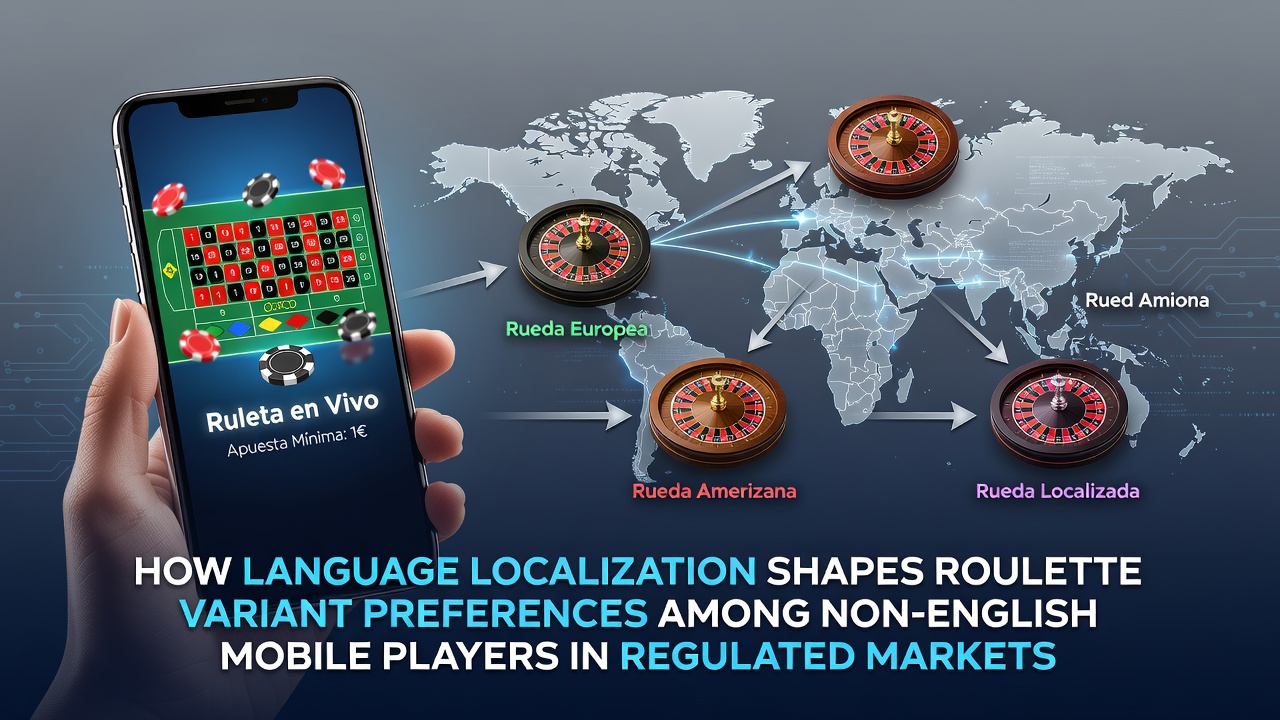
Language Localization Influences Roulette Variant Selection for Mobile Users in Regulated Non-English Markets
Language localization plays a direct role in how non-English mobile players select roulette variants across regulated markets, and data from multiple jurisdictions shows clear patterns tied to interface language support rather than game mechanics alone. Players encounter terms like "en prison" or "la partage" in French roulette, and when these appear in their native language the preference shifts measurably toward that variant over American or European options with fewer localized elements.
Interface Language and Variant Adoption Patterns
Regulated markets in continental Europe and parts of Canada demonstrate that mobile applications offering full localization for rules, betting grids, and payout tables see higher engagement with French roulette among French and German speakers, while Spanish-language interfaces correlate with increased selection of European roulette because its simpler structure translates more cleanly. Observers note that American roulette, with its double-zero layout, experiences lower adoption rates in these same groups when the additional house-edge explanation remains only in English, even if the core wheel graphics stay identical.
Studies conducted through operator data in 2025 and early 2026 reveal that session lengths extend when players access variant explanations in their primary language, and this holds particularly true for Lightning roulette multipliers that require quick comprehension of dynamic odds. Mobile users in regulated environments report fewer abandoned spins once terminology such as "random multiplier" receives accurate translation and appears alongside the live wheel feed.
Regional Data Points Across Jurisdictions
Figures from the Alcohol and Gaming Commission of Ontario indicate that non-English mobile sessions in licensed platforms favor variants whose rule sets appear in both official languages, creating measurable preference gaps between localized and English-only titles. Similar trends appear in Australian state reports where players using mobile apps with Mandarin or Arabic support gravitate toward European roulette layouts over those requiring English navigation for side bets.
What's interesting is how these preferences stabilize after initial downloads, and operators track repeat play rates rising when localization covers not only static text but also live dealer prompts and chat functions. In July 2026, several platforms updated their mobile interfaces to include real-time translation for Lightning roulette announcements, resulting in documented increases in variant switching among previously monolingual player cohorts.
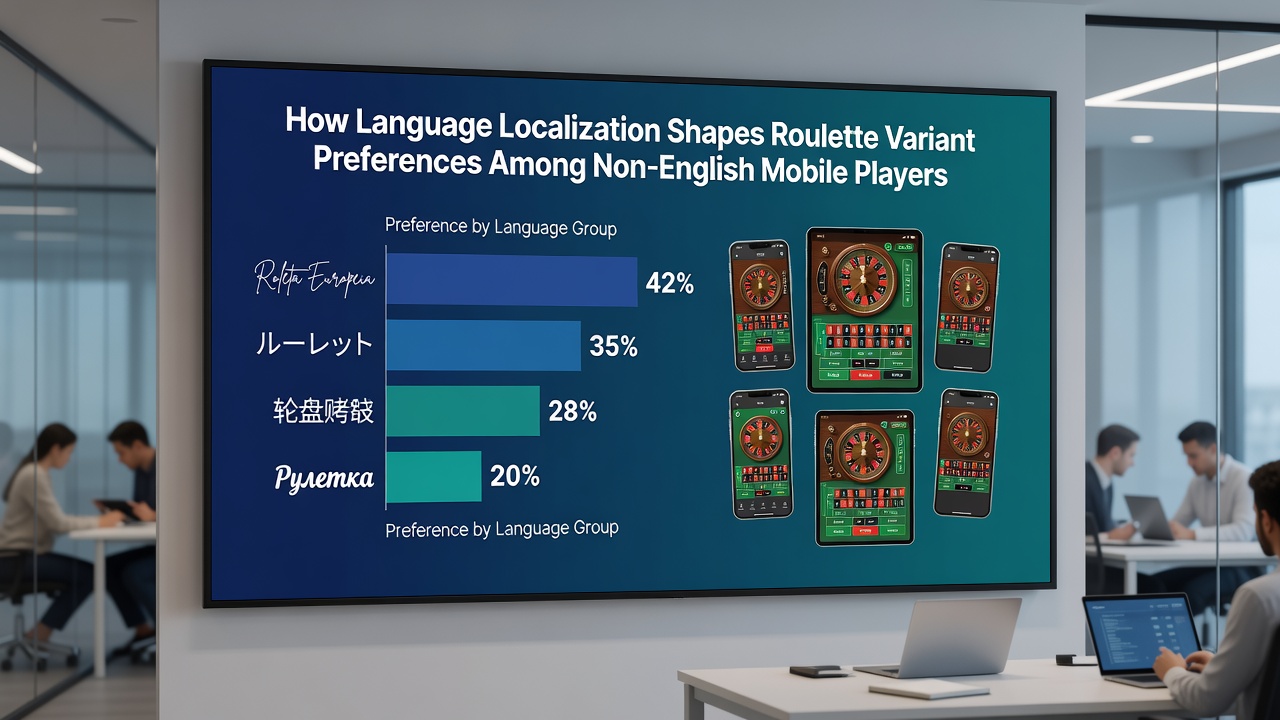
Take one analysis from the European Gaming and Betting Association that examined cross-border mobile traffic, and it found that French-speaking users in Belgium and Luxembourg maintained higher average bet volumes on French roulette once the "en prison" rule received native-language highlighting on the betting interface. German players showed parallel movement toward the same variant when payout tables switched from English defaults.
Mobile-Specific Localization Challenges
Small screen constraints amplify the importance of concise, accurate translations, and developers must condense complex rule explanations without losing regulatory clarity required in each market. Multi-wheel variants gain traction only after their simultaneous spin mechanics receive clear visual and textual support in the user's chosen language, because mobile players rarely consult external help pages during live sessions.
Turns out that push notification systems also influence ongoing preferences, since localized alerts about new multiplier events or tournament formats keep players engaged with the variant they first encountered in their native tongue. Regulated operators must balance these features against strict advertising rules that differ by jurisdiction, yet the data continues to show language alignment as a stronger predictor of variant loyalty than bonus structures alone.
Regulatory Compliance and Player Behavior
Market regulators require that all game information remain accurate in supported languages, which forces providers to maintain parallel certification processes for each localized version. This requirement creates consistent experiences across variants and reduces confusion that might otherwise drive players back to simpler English-only titles.
One case from Ontario platforms showed that after full French and Spanish localization rolled out for French roulette, the variant's share of total mobile roulette traffic increased steadily over six months without changes to RTP or volatility settings. Observers tracking similar updates in other regions report parallel shifts when terminology for side bets and multiplier mechanics receives equivalent attention.
Conclusion
Language localization directly shapes which roulette variants non-English mobile players select in regulated markets, with interface support for rules, multipliers, and live prompts serving as the primary driver. Data across Canadian, European, and Australian jurisdictions confirms that accurate native-language presentation correlates with higher adoption and longer sessions for French, European, and Lightning variants alike, while American roulette sees comparatively lower engagement when its additional house-edge details stay untranslated. Operators continue to refine these elements because regulatory frameworks demand clarity, and player behavior metrics reflect the resulting preferences without requiring further mechanical alterations to the games themselves.