Regional Laws Shape Access to Custom Wheel Inputs on Portable Devices
Written by Bianca Roth · Jul 19, 2026
Regional Laws Shape Access to Custom Wheel Inputs on Portable Devices
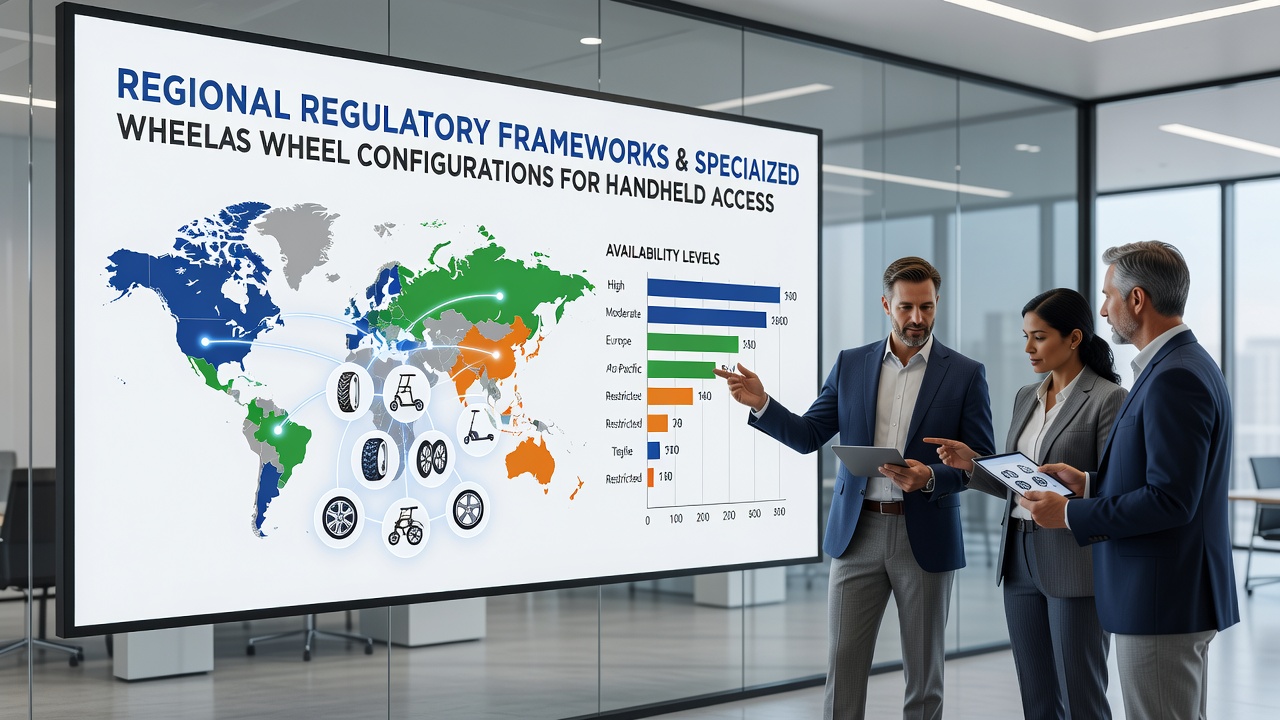
Regional regulatory frameworks determine which specialized wheel configurations reach consumers who rely on handheld devices for daily tasks. Governments in multiple jurisdictions set technical standards that manufacturers must meet before selling adaptive input tools, and these rules often specify wheel diameter, resistance levels, and connectivity protocols. Data from industry reports indicate that compliance costs and testing requirements vary sharply between North America, Europe, and Asia-Pacific markets, which in turn affects product availability timelines.
North American Standards and Market Entry
The United States Access Board publishes guidelines that cover tactile and rotational controls on portable electronics. Manufacturers must demonstrate that wheel mechanisms support users with limited dexterity, and certification involves documented performance metrics measured under controlled conditions. Canadian authorities align closely with these specifications through their own accessibility regulations, yet provincial variations sometimes add extra documentation layers that delay product launches by several months. Observers note that companies frequently prioritize designs meeting both federal and state-level criteria to avoid separate production runs.
European Union Directives and Harmonized Rules
European accessibility directives require conformity assessments before specialized wheels enter the single market. The European Committee for Standardization maintains detailed technical documents that define acceptable torque ranges and feedback mechanisms, while national bodies in member states conduct market surveillance to verify ongoing compliance. Research indicates that these harmonized rules have increased the number of certified wheel variants available across EU countries since 2023, although smaller firms report higher per-unit costs when scaling production to satisfy multiple testing protocols. Australia maintains separate but comparable standards administered through its National Disability Insurance Scheme, creating another distinct compliance pathway for exporters.
Asia-Pacific Regulatory Landscape
Japan and South Korea enforce accessibility requirements through their respective industrial standards organizations, focusing on electromagnetic compatibility alongside physical design criteria. Singapore and Hong Kong apply streamlined approval processes that reference international benchmarks, which has encouraged several manufacturers to establish regional testing centers. Figures reveal that products cleared under these frameworks often reach handheld users faster than those navigating fragmented certification systems elsewhere, yet exporters must still adapt packaging and labeling to satisfy local language and documentation mandates.
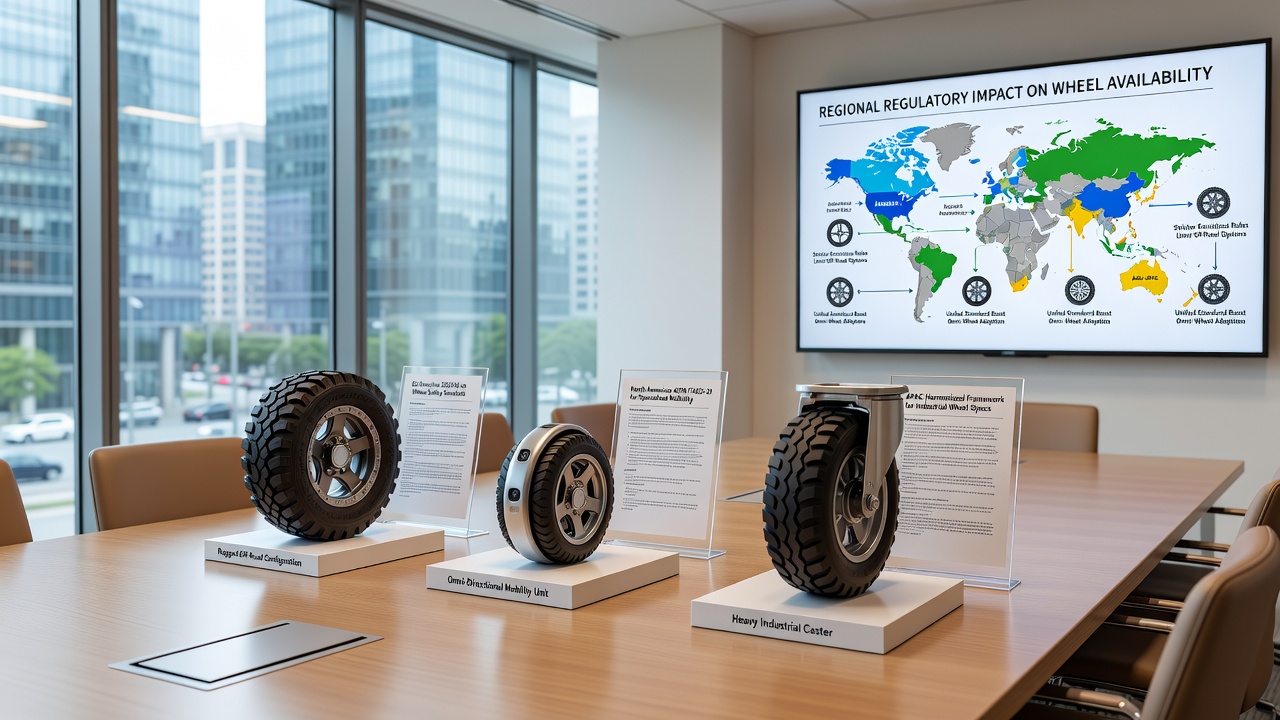
Cross-border trade agreements sometimes reduce duplication in testing, yet differences in liability rules and post-market monitoring continue to influence which configurations manufacturers decide to distribute. One study revealed that firms tracking regulatory updates across jurisdictions maintain dedicated compliance teams to monitor proposed changes announced in official gazettes. Those who've studied this process often discover that early engagement with standards committees allows companies to shape technical requirements before final publication, which can shorten the interval between design approval and commercial release.
July 2026 Developments and Ongoing Adjustments
By July 2026 several jurisdictions had introduced updated guidance on wireless wheel interfaces for handheld platforms. The changes emphasize secure data transmission protocols and battery safety thresholds, prompting manufacturers to revise existing product lines. Evidence suggests that these revisions have prompted some suppliers to consolidate wheel variants into fewer universal models that satisfy multiple regional mandates simultaneously. Trade associations have published summaries comparing the new requirements against prior versions, helping smaller developers identify necessary engineering modifications without duplicating full certification cycles.
Conclusion
Regional regulatory frameworks continue to define which specialized wheel configurations become accessible to handheld device users worldwide. Variations in testing procedures, documentation standards, and surveillance practices create distinct availability patterns across markets, while harmonization efforts gradually reduce some barriers. Manufacturers and compliance professionals monitor these evolving rules to maintain product access for end users who depend on adaptive input solutions.