The Influence of Historical French Salon Layouts on Contemporary Digital Roulette Interface Designs
Written by Hugo Hartmann · Jun 26, 2026
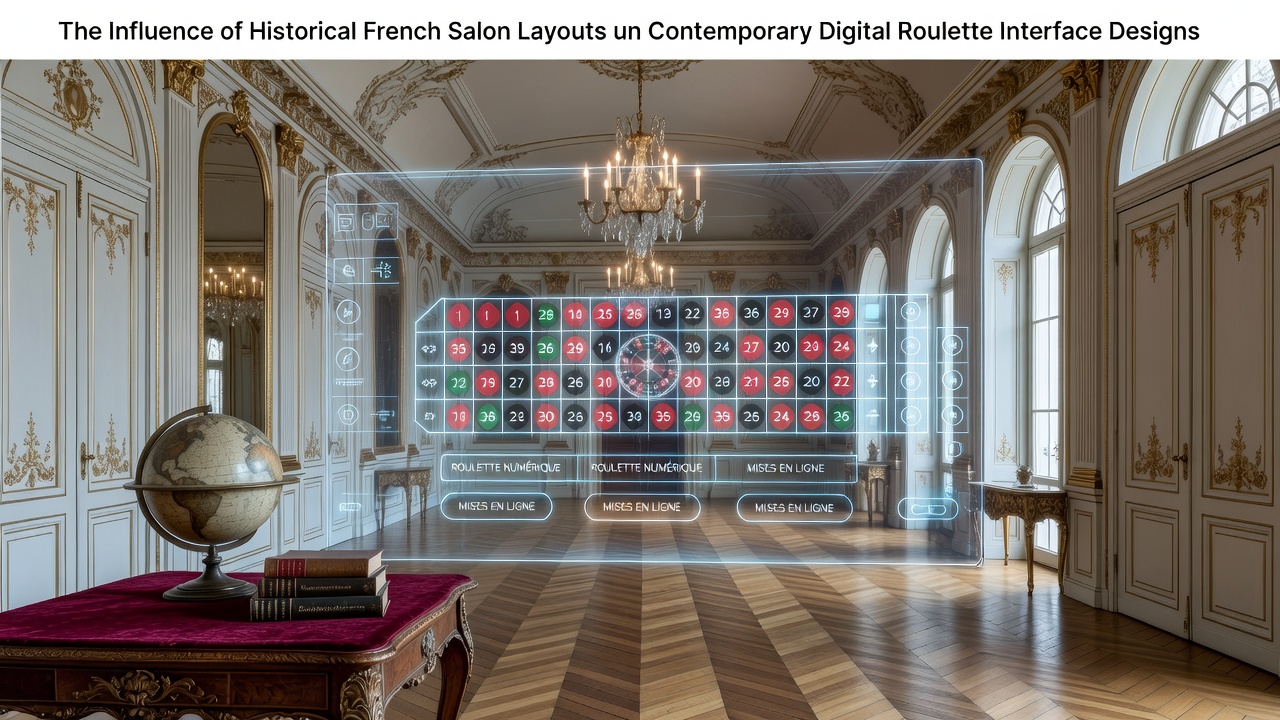
The Influence of Historical French Salon Layouts on Contemporary Digital Roulette Interface Designs
roulette traces its documented roots to 18th-century France where salon owners arranged tables in symmetrical patterns that allowed clear sightlines and efficient movement for multiple participants at once and those spatial choices continue to shape how developers arrange betting grids and wheel displays in mobile and desktop applications today.
Salon Architecture and Early Table Configurations
Parisian gaming rooms from the 1700s positioned the roulette wheel at the center of rectangular or oval tables while surrounding chairs created defined zones for different bet types and observers note that this central placement reduced crowding and let croupiers reach every player position without obstruction. Historians document similar layouts in records from establishments such as the Palais-Royal where velvet-covered tables featured numbered layouts that mirrored the wheel sequence exactly and the same numbering sequence appears in current digital interfaces that place zero and double-zero pockets opposite the main betting area. Researchers from the Sorbonne University history department have examined surviving floor plans and found consistent use of curved edges around the wheel to guide player attention inward and contemporary coders replicate those curves through rounded interface borders and gradient shading that simulates depth on flat screens.
Translation of Spatial Flow into Screen Grids
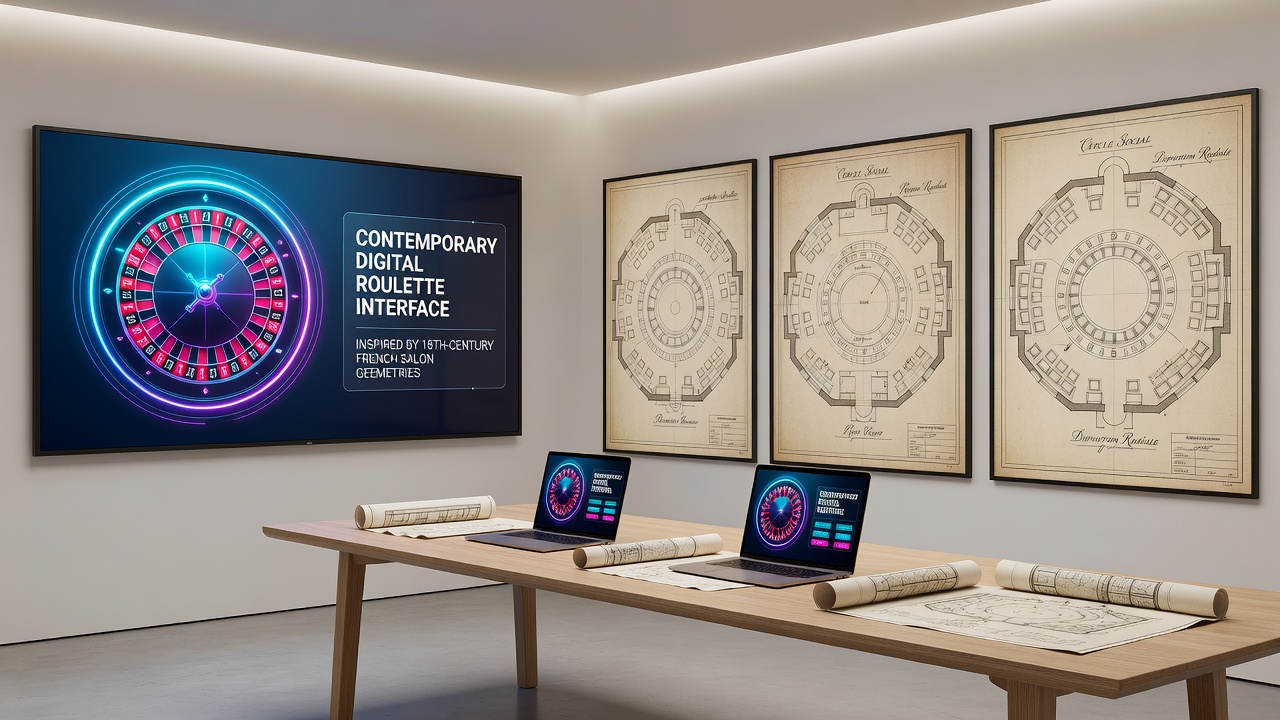
Design teams working on regulated platforms examine period engravings to map how salon pathways directed foot traffic toward high-stakes sections and they apply those pathways when grouping inside and outside bets on a single screen. Data from the European Gaming and Amusement Association shows that interfaces incorporating salon-style zones report higher session continuity because players can scan the entire layout without scrolling and developers therefore maintain fixed aspect ratios that preserve the original table proportions even when users rotate their devices. In June 2026 several operators introduced optional salon-view modes that overlay faint architectural lines from 19th-century drawings onto the betting grid and these modes allow players to toggle between classic and modern color palettes while keeping the same spatial logic.
Color and Material Cues Carried Forward
Salon tables used deep green baize under brass fittings and those two tones remain the default background and accent colors in most licensed roulette software because they reduce eye strain during extended sessions according to studies conducted by the University of Nevada Las Vegas gaming research lab. When developers add metallic highlights to number tiles they reference the polished railings that once framed physical wheels and the result is a visual hierarchy that directs attention first to the wheel then to the chip stack area. Australian gambling regulators require that all color changes undergo accessibility testing and this requirement has prompted designers to retain the original salon contrast ratios rather than experiment with high-saturation alternatives.
Multiplayer and Spectator Zones
French salons often featured raised galleries where non-players could watch the action and digital platforms recreate that separation through chat windows and spectator lists positioned along one edge of the screen. The Canadian Gaming Association reports that live dealer rooms adopting this gallery format see increased concurrent viewers because the layout lets participants observe others placing bets without interfering with their own decisions. Software updates scheduled for late 2026 aim to expand these spectator zones with adjustable transparency so that historical room proportions stay visible even when additional data panels appear.
Regulatory and Technical Constraints
Because modern roulette must meet fairness standards set by multiple jurisdictions the core wheel physics stay identical to 18th-century mechanisms while only the surrounding interface elements receive salon-inspired styling. Testing laboratories verify that added visual elements do not alter random number generation outcomes and this verification process keeps the digital experience anchored to the original mechanical layout. Observers note that operators who blend historical proportions with current accessibility rules achieve compliance more quickly than those attempting entirely new arrangements.
Conclusion
The documented continuity between French salon floor plans and present-day screen arrangements demonstrates how physical circulation patterns and material choices survive across centuries when adapted to digital formats and industry figures indicate that further refinements will continue to reference the same historical sources as new devices enter the market.