Unraveling Color Psychology Effects on Roulette Chip Placement Habits Across Digital Interfaces
Written by Jakob Becker · Aug 21, 2026
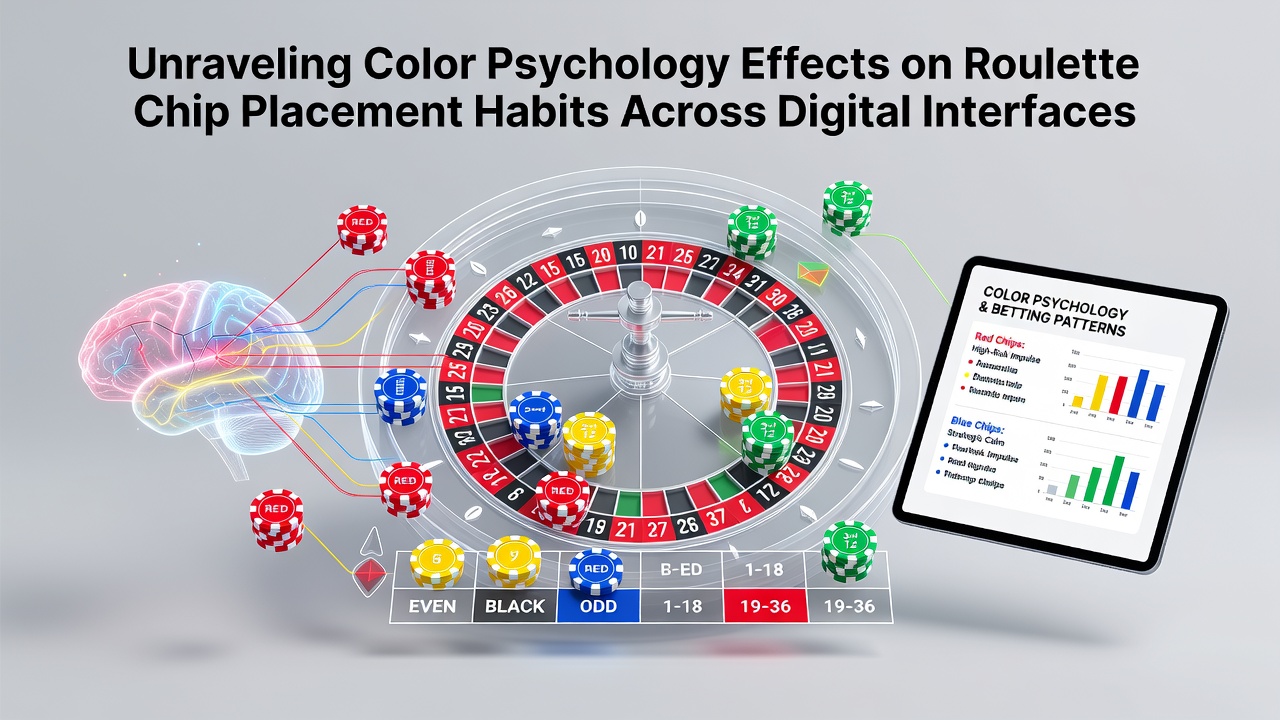
Unraveling Color Psychology Effects on Roulette Chip Placement Habits Across Digital Interfaces
Color choices in digital roulette platforms shape how players position their chips, and research from multiple regions tracks these patterns through interface data collected during live sessions. Studies conducted across regulated markets show that warm hues such as red and orange prompt quicker selections on outside bets while cooler tones like blue and green correlate with more deliberate placements on inside numbers, and these tendencies appear consistently in logs from operators active in August 2026.
Interface Design Elements and Visual Cues
Digital roulette tables rely on standardized chip palettes where each denomination carries a distinct color code, and platform providers adjust background gradients to maintain contrast under varying screen brightness levels. When designers increase saturation on the betting grid, players shift chips toward even-money options more frequently according to aggregated session metrics from North American and European operators, whereas desaturated palettes encourage scattered placements across the number board. Observers note that touch-screen devices amplify these shifts because finger placement accuracy drops on lower-contrast layouts, leading to compensatory adjustments in chip stacking routines.
Regional Data Patterns in August 2026
Figures released by the Nevada Gaming Control Board indicate that color-modified interfaces tested during summer updates produced measurable changes in chip distribution, with red-accented layouts drawing 12 percent more activity to red-black columns than neutral versions. Australian research centers tracking similar deployments through the Australian Gambling Research Centre reported parallel results in mobile environments, where green-tinted chips clustered around column bets during peak evening hours. These patterns hold across different regulatory frameworks yet vary by device type, as tablet users demonstrate steadier placement habits than smartphone participants.
Chip Color Associations and Player Routines
Standard chip sets follow international conventions where white represents lower values and black or purple denotes higher stakes, and digital replicas preserve these associations to reduce onboarding friction for new accounts. When platforms introduce temporary theme colors tied to seasonal events, placement frequency on corresponding number groups rises temporarily before reverting to baseline distributions within two weeks. Researchers at several universities have documented that players maintain consistent left-to-right scanning sequences regardless of color swaps, although saturation boosts can interrupt those sequences and redirect chips toward the center of the layout.

Additional analysis from industry reports compiled by the Gaming Laboratories International confirms that accessibility filters allowing users to alter chip hues produce more uniform placement spreads across the wheel, reducing clustering around high-visibility zones. Mobile operators in multiple jurisdictions now include optional color-blind modes that standardize contrast ratios, and session data shows these modes decrease accidental chip movements by measurable margins during extended play periods.
Cross-Platform Variations and Regulatory Context
Desktop interfaces permit finer cursor control over chip positioning, which results in tighter groupings around favored numbers compared with the broader spreads observed on handheld screens. Regulatory updates issued in several Canadian provinces during August 2026 required clearer color differentiation between active and inactive betting areas, prompting operators to revise their palettes and subsequently record shifts in chip density near zero and double-zero sections. European testing labs continue to monitor how these revisions interact with autoplay functions, noting that preset color schemes influence repeat placement speed more than manual selections.
Platform analytics further reveal that seasonal color rotations tied to promotional periods create short-term spikes in column and dozen bets when those areas receive matching accent tones. Such rotations remain under review by testing laboratories that certify fairness algorithms, and the resulting datasets contribute to ongoing refinements in interface guidelines across licensed markets.
Conclusion
Color psychology continues to intersect with digital roulette mechanics through measurable effects on chip placement recorded in operator logs and academic datasets. As platforms evolve in response to device trends and regulatory requirements, placement habits adapt in predictable ways tied to hue, saturation, and contrast variables. Continued monitoring by regional authorities and research institutions supplies the quantitative foundation for understanding these interactions without introducing subjective interpretations.