Virginia Governor Spanberger Delivers Back-to-Back Vetoes on Skill Games and Fairfax Casino Expansion
Written by Lars Fischer · Apr 12, 2026

Virginia Governor Spanberger Delivers Back-to-Back Vetoes on Skill Games and Fairfax Casino Expansion
The Swift Veto Sequence Unfolds in Mid-April
Virginia Governor Abigail Spanberger acted decisively on Friday, April 11, 2026, when she vetoed Senate Bill 661, a measure that would have legalized up to 25,000 skill games across the state; just one day earlier, on Thursday, April 10, she had vetoed Senate Bill 756, which aimed to qualify Fairfax County for a commercial casino resort. These moves, coming in rapid succession, underscore a pivotal moment in Virginia's evolving gaming landscape, where lawmakers' pushes for expansion met firm executive resistance. Observers note how such back-to-back decisions highlight the governor's consistent stance on gambling regulation, especially as the state navigates debates over economic boosts versus public safeguards.
Skill games, those electronic machines blending elements of chance and player input often found in truck stops, bars, and convenience stores, had gained traction as a potential revenue source; Senate Bill 661 sought to cap them at 25,000 statewide, imposing taxes and some oversight, yet the governor saw deeper flaws. Meanwhile, Senate Bill 756 targeted Fairfax County, one of Virginia's wealthiest areas, positioning it for a full-scale casino resort amid competition from existing sites in cities like Norfolk and Portsmouth. Data from the American Gaming Association reveals Virginia's commercial gaming revenue topped $500 million in fiscal year 2025, fueling arguments for measured growth, but also amplifying calls for unified control.
Breaking Down Senate Bill 661: The Skill Games Push
Proponents of Senate Bill 661 argued it would bring order to an estimated 70,000 unregulated skill games operating in legal gray areas throughout Virginia, channeling billions in potential tax dollars into education and local coffers; the bill proposed a 15% tax on gross profits, limits on locations, and age restrictions, yet critics, including the governor, pointed to enforcement gaps. Researchers who've tracked these devices observe how they mimic slot machines, raising concerns about addiction risks despite "skill" claims, with studies from the Nevada Gaming Control Board on similar gray-market games showing vulnerability to money laundering. Turns out, Virginia's existing framework, pieced together since sports betting launched in 2021, leaves skill games outside formal purview, creating what experts call a patchwork prone to illicit play.
And here's where it gets interesting: operators claimed skill games generated over $2 billion annually in Virginia before crackdowns, but without centralized tracking, revenue estimates vary wildly; one report indicated low-income areas bore disproportionate exposure, aligning with the governor's veto rationale. Those who've studied regional impacts, like in Pennsylvania where skill games faced similar battles, discovered enforcement costs soared without state-level authority, a pattern Virginia lawmakers hoped to avoid, although the veto signals otherwise.
Senate Bill 756 and the Fairfax Casino Ambition
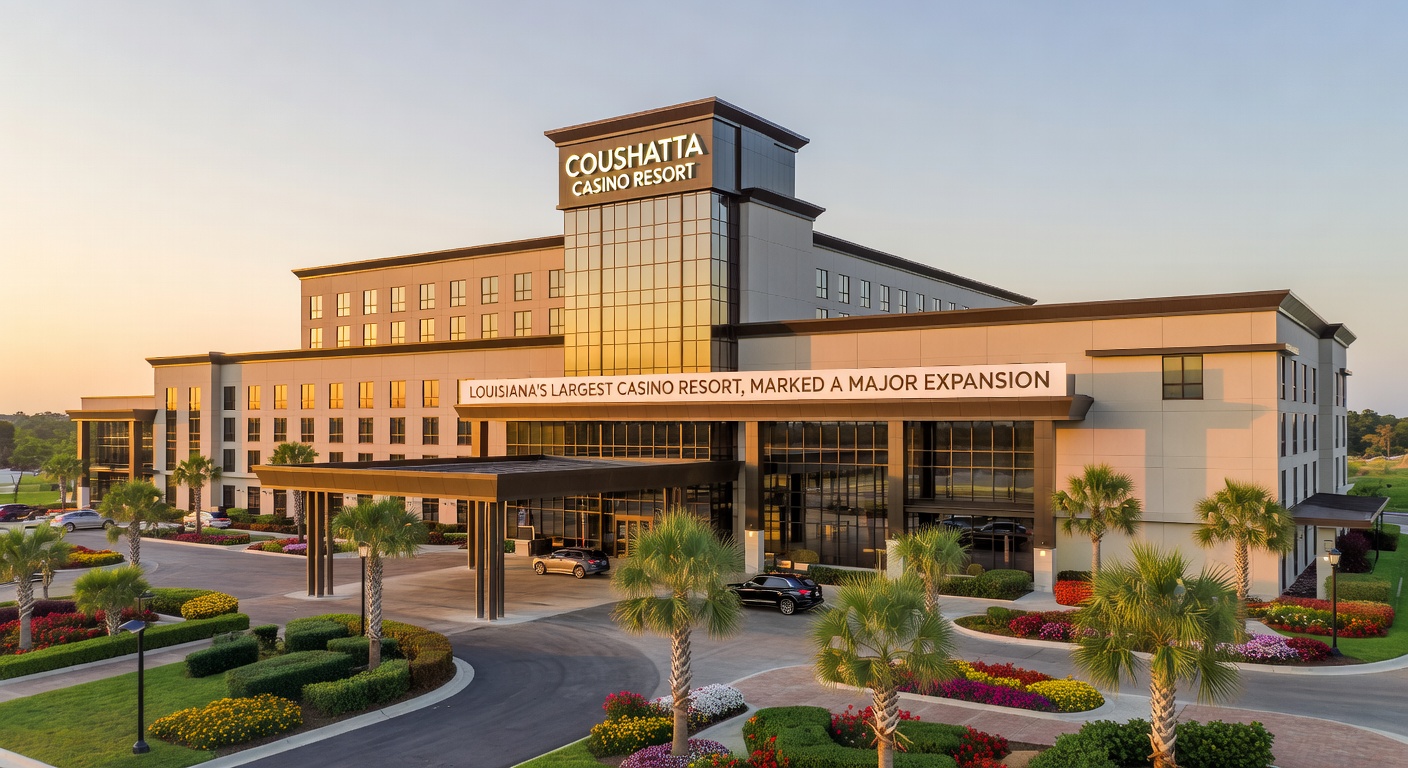
Shifting focus to Senate Bill 756, this legislation emerged from efforts to distribute gaming licenses more equitably, earmarking Fairfax County for a resort-style casino that promised thousands of jobs and hundreds of millions in taxes; backers highlighted the county's infrastructure and population density, positioning it as ideal for a fifth commercial operator after approvals in Bristol, Danville, and elsewhere. Yet the bill required constitutional tweaks and locality votes, steps that gained Senate passage but faltered at the executive desk. People familiar with Virginia's 2020 gaming referendum, which authorized up to five casinos, recall how economic projections drove voter approval, with actual openings like Hard Rock in Bristol delivering $100 million-plus in year-one taxes.
What's significant here lies in timing: vetoed mere hours before the skill games bill, Senate Bill 756 exposed tensions between rapid expansion and regulatory maturity, especially as Fairfax's proposal clashed with existing casino developments still ramping up. Experts have observed how states like New Jersey, with its mature Atlantic City market, benefit from decades of oversight, whereas Virginia, a newcomer, grapples with fragmented rules across lotteries, sportsbooks, and horse racing.
Governor Spanberger's Core Demand: A Unified Regulatory Body
In her veto statements, Governor Spanberger reiterated a long-standing call for lawmakers to create and fund a centralized, independent gaming regulatory commission, one that would oversee all gambling forms from casinos to skill games; she highlighted risks of fragmented oversight leading to illicit activity, weakened consumer protections, and uneven burdens on low-income and minority communities. According to analyses from industry watchers, such a body mirrors models in places like Ontario, where the Alcohol and Gaming Commission of Ontario consolidates licensing, audits, and enforcement, slashing administrative overlaps. Virginia's current setup splits duties among the Lottery Department, Charitable Gaming, and local authorities, breeding what researchers term "regulatory silos."
But here's the thing: the governor's position echoes prior sessions, where similar bills passed the House but stalled in budget talks; data indicates Virginia collected $604 million in gaming taxes through mid-2025, yet without a dedicated commission, compliance relies on understaffed agencies, inviting operator disputes and player complaints. Those who've examined veto impacts note how skill games, absent regulation, evade Virginia's 30% online gaming tax structure, distorting market fairness while exposing vulnerable groups—studies show problem gambling rates twice as high in low-SES areas.
Broader Context and Stakeholder Reactions
Stakeholders reacted swiftly to the vetoes, with skill game advocates decrying lost revenue—operators estimated 10,000 jobs at stake—while casino developers in Fairfax expressed disappointment over stalled investments; lawmakers, facing a divided General Assembly, must now weigh overrides, though history shows gubernatorial vetoes rarely flip in gaming matters. One case from 2024 involved a horse racing bill that survived scrutiny via compromise, but skill games and casinos demand heavier lifts. Observers point out how Virginia's gaming boom, from zero to five casinos in five years, outpaces infrastructure, with revenue growth at 25% annually per state reports.
Now consider the human element: communities near proposed sites often split, balancing tourism dollars against social costs; research from the University of Nevada's gaming studies reveals casino openings boost local GDP by 1-2%, but addiction hotlines see 20% call spikes initially. In Virginia, minority-heavy neighborhoods around truck stops hosting skill games report higher exposure, per community surveys, fueling the governor's equity concerns. And while bills promised safeguards like self-exclusion tools, experts argue a central commission alone ensures uniform application, preventing loopholes that plagued early sports betting rollouts.
So as April 2026 wraps, the ball's in lawmakers' court for a special session or fall reconvene; past patterns suggest compromise funding for oversight could unlock stalled measures, although entrenched divides persist. It's noteworthy that neighboring states like Maryland regulate skill-like games through lotteries, yielding stable $400 million hauls without veto drama.
Potential Paths Forward for Virginia Gaming
Looking ahead, analysts predict commission proposals will dominate 2027 agendas, potentially taxing skill games at 20-25% while capping machines; casino expansions might pivot to referenda bypassing Fairfax veto fallout. Figures from established markets show centralized regulators cut illegal ops by 40%, per multi-state comparisons, offering Virginia a blueprint. Yet resistance lingers—rural delegates favor skill games for small-business revenue, urban ones prioritize protections—creating a delicate balance.
Take Pennsylvania's journey: after legalizing 27,000 skill games in 2024, it faced scandals prompting a 2026 overhaul, mirroring Virginia's crossroads. Those tracking policy evolutions emphasize adaptability, noting how early vetoes refine frameworks before billions flow unchecked.
Conclusion
Governor Spanberger's April 2026 vetoes of Senate Bills 661 and 756 mark a defining stand against piecemeal gaming growth, pressing for a robust, independent commission to tackle oversight voids, crime risks, and equity gaps. With Virginia's sector surging—sports betting alone hit $6 billion in wagers last year—these decisions shape a more structured future, where economic gains align with safeguards. Lawmakers face clear choices: fund unity or risk further fragmentation; history across states suggests the former prevails long-term, steering Virginia toward sustainable play.